
The real conversation nobody's having about birth control and pleasure
Your doctor told you what birth control does to your cycle. They probably didn't mention what it does to your orgasms. Most people find out by accident. Sex that used to feel electric becomes muted. Arousal takes twice as long to build. Or the opposite. Or lubrication shifts and lemon vibrators that worked beautifully suddenly feel off.
Hormonal birth control is wildly effective at preventing pregnancy and can be genuinely life-changing for managing symptoms. But pleasure? That's filed under "side effects" that people either endure silently or stop their method over entirely. The thing is, understanding what's happening and adjusting your technique can bring you right back.
I'm going to walk you through exactly what birth control does neurologically and physically, what you might notice changing, and how to use a lemon vibrator more effectively when your body has shifted.
What hormonal birth control actually does to arousal
Birth control works by keeping your hormone levels artificially stable. No surge, no drop. For preventing pregnancy, this is perfect. For pleasure, it's complicated.
Your natural arousal response depends on estrogen and testosterone fluctuating across your cycle. With the pill, the patch, the shot, or the ring, those fluctuations flatten. Your brain gets less of the neurochemical kick that typically primes your nervous system for pleasure. Dopamine and norepinephrine fire differently when hormones aren't spiking. That's why some people on birth control describe arousal as feeling dampened.
Then there's the physical layer. Birth control thickens cervical fluid and, in some formulations, thins the vaginal tissue itself. Your clitoris still has all its nerve endings. But surrounding tissue that helps amplify sensation becomes less responsive. This is where using a lemon clitoral vibrator gets interesting. Air-suction technology doesn't rely on tissue thickness the way direct vibration does. It stimulates nerves through suction and gentle pulsing, which can feel more effective when vaginal tissue has become thinner or less lubricated.
Which birth control methods affect pleasure the most
Not all hormonal birth control affects arousal equally. Understanding which method you're using matters.
Combined oral contraceptives (the standard pill with estrogen and progestin) tend to flatten arousal moderately in about 30 to 40 percent of people. Progestin-only methods like the mini-pill, implant, or shot are more variable. Some people find progestin-only options less suppressive of desire. IUDs (both hormonal and copper) vary wildly depending on the specific device and your sensitivity to progestin exposure in the uterus.
The key: your body is an individual system. What flattens pleasure for one person barely registers for another. But if you notice a shift after starting or switching methods, hormones are likely part of the story.
The four ways your lemon vibrator experience might change
Arousal takes longer to build. Your warm-up window expands. Instead of 5 to 10 minutes to reach peak arousal, plan for 15 to 25. This isn't dysfunction. It's a rhythm shift. Start your lemon vibrator at lower settings and let your nervous system catch up.
Clitoral sensitivity shifts. Some people become hypersensitive. The clitoris feels almost raw, and direct vibration becomes uncomfortable. Others experience the opposite: sensation feels muted, and they need stronger or more varied stimulation. A lemon sucker's variable intensity settings become your friend here. You can micro-adjust in ways a vibrator with fixed speeds can't.
Lubrication changes. Whether you produce less, more, or it feels different in texture, birth control affects lubrication. Water-based lube becomes non-negotiable even if you never needed it before. Apply it to the clitoris and to the device itself.
Orgasm feels different or takes longer. Some people report orgasms feeling shallower or more spread out. Others describe taking twice as long to reach one. Neither is worse. It's different. Patience and reframing "longer" as "different pleasure arc" helps.
How to recalibrate your lemon vibrator technique
You already own a lemon vibrator. You know how it feels on your body. Now adjust for the hormonal shift.
Start with pattern exploration instead of intensity. The Lem and other lemon clitoral vibrators offer multiple patterns. Before cranking intensity, spend time cycling through patterns to find which ones feel most pleasurable now. Your nervous system may respond better to one pattern over others when hormones have shifted.
Use more lube than feels necessary. Birth control often reduces natural lubrication. Add water-based lube generously. It's not cheating. It's adapting. The lube creates a better seal for suction technology and reduces friction that can feel uncomfortable on thinner tissue.
Extend your warm-up. Spend 10 minutes on non-clitoral touch before introducing your lemon vibrator. Internal massage, inner thigh, labia. Let your nervous system gradually activate. This counteracts the dopamine dampening that birth control can cause.
Lower starting intensity. If your clitoris feels hypersensitive, start at setting 1 or 2 instead of your previous go-to. If sensation feels muted, start moderate and build more deliberately. You're learning your body again, not rushing.
Pair the device with arousal scaffolding. When hormones aren't naturally spiking desire, your brain needs more support. That might mean erotic audio, reading, fantasy focus, or partnered touch. Your lemon vibrator works better when your mind is already engaged.
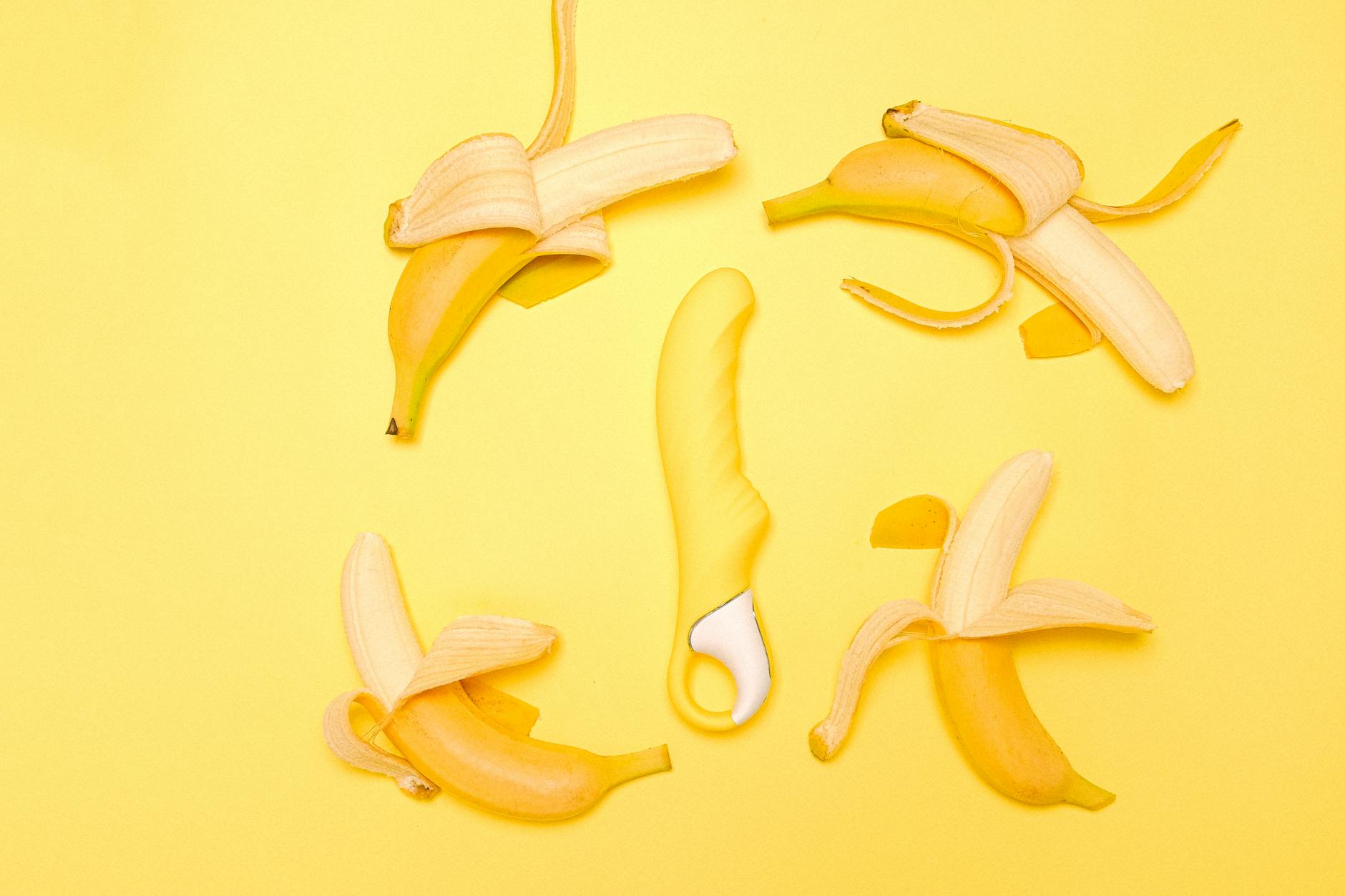
Photo by Anna Shvets on Pexels
When to consider switching birth control (and when to give it time)
Here's what I tell clients: give any new birth control 3 to 4 months before assuming pleasure changes are permanent. Your body adapts. Hormones stabilize. Some people notice arousal rebounding after the initial flatness.
But if after 4 months pleasure still feels inaccessible, or if it was great before and birth control genuinely tanked it, switching methods is reasonable. You deserve both pregnancy prevention and sexual pleasure. They don't have to be trade-offs.
Talk to your provider about progestin dose or formulation changes. Sometimes the difference between a low-dose pill and a standard dose, or between one progestin and another, shifts the pleasure equation entirely. You're allowed to prioritize this.
The psychological layer people skip
Here's the part therapy-trained folks notice that pure medical providers often miss: knowing birth control changes pleasure sometimes lets people blame themselves less. If arousal feels flat, it's easy to spiral into "I'm broken" or "I've lost interest in my partner." Neither is true. Your hormones are artificially stable. Your lemon vibrator doesn't know that. Your brain does.
Separating the hormonal explanation from the relationship or self-esteem story matters. When you can say "my birth control is affecting my arousal, so I'm adjusting my warm-up time and using more lube," you're not pathologizing yourself. You're problem-solving.
If pleasure stays flat after adapting your technique and swapping methods, that's when deeper exploration with a therapist or sex coach helps. But most of the time, it's simpler. Your body changed. Your device and approach just need calibration.
FAQ: Birth control, pleasure, and lemon vibrators
Does every type of birth control affect arousal?
No. About one-third of people on hormonal birth control notice no shift in desire or sensation. Another third notice subtle changes they adapt to easily. The remaining third experiences more noticeable flattening. Copper IUDs don't deliver hormones systemically, so they're less likely to affect arousal, though some people report changes anyway. Hormonal IUDs deliver progestin directly to the uterus, so effects vary. The only way to know is to pay attention to your own body and compare before and after.
Can I use my lemon vibrator the same way on birth control as I did before?
Maybe. If you noticed zero change in arousal or sensation, you probably can. But most people find slight adjustments help. Longer warm-up, more lube, different pattern exploration. These aren't limitations. They're just tuning the experience to your current body.
Is it normal for lubrication to change on the pill?
Completely normal. The pill stabilizes hormones, which changes how much cervical and vaginal fluid your body produces. Some people produce less overall. Some produce more. Some notice it feels different in texture or consistency. Adding water-based lube is a straightforward adaptation that takes 30 seconds and transforms the experience.
Does the mini-pill or progestin-only methods affect pleasure less than combined pills?
Often, yes. Progestin-only methods tend to have less impact on arousal for many people, though the implant and shot deliver higher progestin doses than some pills, so results vary. If you've noticed arousal flattening on a combined pill, switching to a progestin-only method is worth discussing with your provider. It's not guaranteed to fix it, but it's a reasonable experiment.
How long does it take to notice changes after starting or switching birth control?
Some people notice shifts within days. Others take weeks or months to recognize a pattern. Hormones need time to stabilize, and your nervous system needs time to adapt to new hormone levels. If you're tracking changes, keep notes for at least 4 months before deciding a method isn't working for you.
Will stopping birth control bring my pleasure back immediately?
Usually yes, but not always. If you were on the pill for years, your nervous system has learned to function on flat hormones. It takes a few cycles for the dopamine and arousal response to recalibrate. But most people do notice arousal rebounding within 1 to 3 months after stopping. That said, birth control is often worth it for other reasons, so the pleasure shift alone isn't usually reason to stop. Adaptation and technique adjustments often work just as well.
The take-home: your pleasure deserves precision
Birth control and pleasure don't have to be enemies. They usually just need conversation and calibration. Using a lemon vibrator while on hormonal birth control works beautifully once you understand what's shifted and adjust accordingly. More lube. Longer warm-up. Different patterns. Lower starting intensity. These aren't workarounds for dysfunction. They're respectful responses to your body's new normal.
Your arousal matters. Your orgasms matter. Birth control is a tool that prevents pregnancy, and you deserve a tool that also lets you experience pleasure fully. If your current method makes that impossible despite all these adjustments, switching is legitimate. You're not being difficult. You're advocating for yourself. That's the whole point.
Want to dig deeper into adapting your pleasure during life changes? Reach out and let's talk through what's happening for you specifically.