When grief numbs everything, including pleasure
Grief is a whole-body shutdown. Your nervous system clamps down. Your brain stops registering pleasure signals. Food tastes like nothing. Music becomes background noise. And sex or solo pleasure? That feels impossibly far away, like something someone else does in someone else's life.
This numbness is not depression talking. It's your nervous system in protective mode. After loss, your body isn't broken—it's in survival gear.
But here's what matters: numbness is temporary, and sensation can come back. The path there starts small, and a lemon clitoral vibrator like the Lem can be exactly the tool that bridges the gap between shutdown and reconnection.
Why pleasure disappears after grief
When you lose someone important—a partner, a parent, a friend—your body releases a cascade of stress hormones: cortisol, adrenaline. Your nervous system shifts into fight-or-flight mode. Everything that isn't survival gets deprioritized. Pleasure, arousal, sensation—these are luxuries your brain thinks you can't afford right now.
The second layer is emotional. Pleasure often carries memories. If you shared pleasure with the person you've lost, touching yourself or being touched can feel like a betrayal. It can feel like moving on too fast. It can feel wrong.
Neither of these responses is a sign that pleasure is gone forever. They're signs that your body is grieving the right way. The work isn't to force pleasure back. It's to gently signal to your nervous system that safety and sensation can coexist.
Why a clitoral vibrator works differently in grief
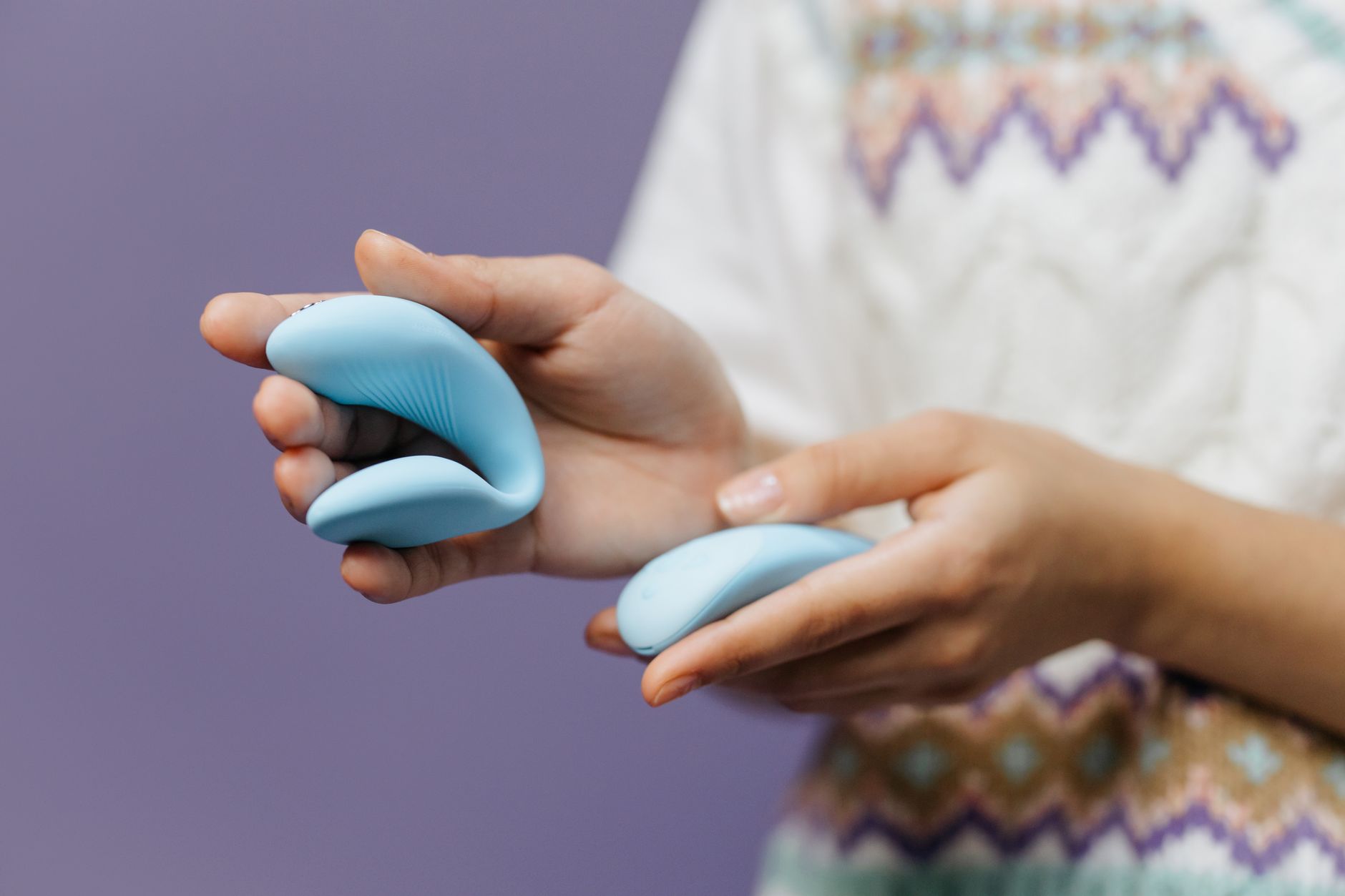
When you're numb, you need stimulation that cuts through. A lemon clitoral vibrator like those from The Lemon Clit Suckers works through suction and pulse—not friction. This matters after grief because:
First, suction is consistent. It doesn't ask your body to perform or respond. You don't have to build arousal. You don't have to orgasm. You just receive stimulation, and your nervous system can decide what to do with it.
Second, the sensation is specific and concentrated. It's not full-body. It's not tied to performance or partnership. It's just your clitoris and focused waves of pressure. That specificity can be exactly what helps your brain recognize: "This is sensation. This is safe. This is mine."
Third, clitoral vibrators bypass the mental chatter. When grief is loud in your head, you need something physical loud enough to get your attention. A lemon vibrator delivers that signal without asking for anything emotional in return.
Starting over when you're ready—not when you think you should be
There's no timeline for this. Some people are ready to explore pleasure again within weeks. Others take months or years. Both are normal.
What matters is knowing the difference between "I'm not ready" and "I'm afraid I should be ready." The second one is grief talking. The first one is honoring your actual nervous system.
When you do feel a small flicker of curiosity—not pressure, just curiosity—that's the signal to start. It might be while you're in the shower. It might be late at night when the house is quiet. It might be a random Tuesday when you think, "I wonder if I can feel anything anymore."
That wondering is enough to begin. You don't need desire. You don't need arousal. You just need permission to notice what your body can still sense.
How to actually reconnect: a step-by-step approach
Step one: Start with breathing. Before you touch yourself, notice your breath. This matters because grief often comes with held breath—literal and metaphorical. Three minutes of slow, deep breathing tells your nervous system that you're safe. That's the precondition for sensation.
Step two: Start outside the erotic. Your first use of a clitoral vibrator doesn't need to be sexual. Try it on your inner arm. Your neck. The inside of your wrist. You're reintroducing your nervous system to what stimulation feels like. There's no pressure to feel turned on.
Step three: Use it on low settings first. Most lemon clitoral vibrators have multiple intensity levels. Start at one or two. You're not trying to orgasm or feel amazing. You're literally just practicing receiving sensation. That's the whole goal.
Step four: Keep sessions short. Five to ten minutes is plenty. You're teaching your nervous system that feeling something again is possible. You don't need an hour to do that. Short, repeated exposures work better than one long session.
Step five: Separate sensation from outcome. This is crucial. You're not trying to get aroused. You're not trying to reach an orgasm. You're just noticing what you feel. If nothing happens, that's not failure. If something shifts slightly, that's huge. The job is to notice, not to perform.
When pleasure starts returning, grief shifts too
This is something I've seen happen consistently with clients who gently reconnect with their bodies after loss. Pleasure doesn't erase grief. But it changes the quality of it. Grief becomes something you carry, not something that carries you.
When you can feel pleasure again—even small pleasure, even just the sensation of a lemon clitoral vibrator—you're signaling to yourself that the person you lost would not want your entire nervous system locked down. Pleasure isn't betrayal. Sensation isn't forgetting. It's your body remembering that it's still alive.
Many people find that reconnecting with their own pleasure is part of honoring the person they've lost. You're saying: "I'm still here. My body is still here. And that matters."

Photo by cottonbro studio on Pexels
The role of a partner if you're with someone
If you're grieving alongside a partner, reconnecting with pleasure can feel complicated. They might want to help. You might feel obligated to try. Or they might be grieving too, and intimacy feels impossible.
Here's the honest part: solo reconnection often comes first. Using a lemon vibrator alone lets you rebuild your relationship with your own sensation without the pressure of someone else's presence or needs. Once you can feel again on your own terms, sharing that with a partner becomes a choice, not a rescue mission.
If you do want to involve a partner, tell them exactly what you need: "I'm using this to reconnect with my body. I don't need you to do anything. I just need you to know what I'm doing." That clarity protects both of you from assumptions.
Common questions and what I hear from people rebuilding pleasure
Quite a few folks ask whether it's "normal" to feel nothing at first. The answer is absolutely yes. Numbness after grief is the most normal response possible. You're not broken. You're not defective. Your nervous system is doing exactly what it's designed to do.
Some people also worry that using a vibrator feels selfish when someone important is gone. I want to be direct: taking care of your own nervous system is not selfish. It's survival. It's how you move forward.
Others ask whether they "should" be having pleasure again at this point in their grief journey. There's no should. There's only readiness. And readiness is individual.
How this connects to using a lemon clitoral vibrator effectively
When you're reconnecting after grief, you're not looking for the most intense sensation. You're looking for consistency, gentleness, and control. A lemon vibrator from The Lemon Clit Suckers offers exactly that. You can start low, take breaks, and move at your own pace. There's no pressure to perform or produce a specific outcome.
The Lem and other lemon clitoral vibrators are designed for sensation that's easy to modulate. You're not fighting against an overwhelming tool. You're using something that meets you where you are, whether that's "barely feeling anything" or "ready to slowly rebuild."
Reconnection after grief isn't about getting back to how things were. It's about building a new relationship with your own pleasure, on your own timeline, with tools that support that journey. A lemon vibrator is just equipment. You're the one doing the real work.
FAQ: Pleasure, Grief, and Reconnection
How long does it take to feel pleasure again after loss? There's no fixed timeline. Some people feel small shifts within weeks. Others take months or a year. Grief follows its own schedule. The key is checking in with yourself regularly without judgment—not pushing, not expecting anything, just noticing.
Is it normal to feel guilty about experiencing pleasure after someone dies? Very normal. Guilt often means you cared deeply. But pleasure isn't betrayal. Your body being alive isn't disrespect. Reconnecting with sensation is often part of honoring the person you've lost by continuing to live fully.
Should I use a lemon clitoral vibrator alone or with a partner during grief? Start alone. Solo reconnection removes pressure and lets you move at your own pace without worrying about someone else's feelings or needs. Once you feel more at home in your body, sharing that with a partner becomes optional, not obligatory.
What if I try using a vibrator and still feel nothing? That's okay. Numbness takes time to lift. Keep the sessions short and judgment-free. You're not trying to achieve anything. You're just practicing the signal that sensation is available if your nervous system is ready to receive it.
Can grief permanently damage your capacity for pleasure? No. Your nervous system can always come back online. The pathways for sensation are still there. They're just temporarily offline. Patience and gentle, repeated exposure help them reactivate.
How do I know if I'm using a clitoral vibrator the "right way" during grief recovery? There's no right way. If you're breathing, not forcing anything, and letting your body respond however it does, you're doing it correctly. Success isn't orgasm or arousal. Success is noticing that you can still feel something—anything—in your own body.
If reconnecting with your body after loss feels overwhelming, talking to a therapist alongside your own exploration can make a huge difference. Grief and pleasure aren't always things you navigate alone. Sometimes you need support. That's not weakness. That's wisdom. Reach out to our contact page if you want to talk through next steps.