
The medication effect nobody talks about
Let's be real. Your doctor didn't mention this when they wrote the prescription. SSRIs save lives and steady moods. Blood pressure meds prevent strokes. Birth control lets you exist without fear. But somewhere between the first dose and week three, your body stopped responding the way it used to. Arousal flatlined. Orgasm got harder. Maybe sensation just went quiet.
You're not broken. Your medication isn't the enemy. But the gap between what your body wants and what it can actually do right now is real, and it's incredibly common. About 40 percent of people on SSRIs report sexual side effects. Hormonal birth control affects arousal in 15 to 20 percent of users. Blood pressure medications? Often quietly numb sensation without anyone mentioning it upfront.
Here's what helps. And it's not "switch your meds" (never do that without talking to your doctor). It's understanding how medications change sensation, and then choosing tools that work with those changes instead of fighting them.
How SSRIs and other psychiatric meds reshape arousal
SSRIs work by keeping serotonin circulating longer in your brain. That steadies mood. It also slows the cascade of signals that lead to orgasm. Some people lose desire entirely. Others feel desire but can't cross the finish line. Some report that sensation is there but feels muted, like everything's happening behind glass.
Other psychiatric meds do similar things. Antipsychotics, mood stabilizers, and some anxiety meds can all flatten sexual response. Dopamine gets involved in desire and physical arousal. When your medication adjusts those chemical signals to help your mental health, sexual function often gets collateral damage.
The weird part. Your clitoris still works. The nerve endings are intact. Your brain's capacity for pleasure is unchanged. What changed is the electrical and chemical messaging that usually turns sensation into arousal into orgasm. So external stimulation becomes your most direct path.
Birth control, blood pressure meds, and sensitivity loss
Hormonal birth control thins vaginal tissue and can reduce clitoral blood flow. That means less engorgement, less sensitivity, less urgency. It's not dangerous. It just means direct stimulation works better than the slow buildup you might have relied on before.
Beta blockers and ACE inhibitors lower blood pressure by reducing vascular response throughout your body. That includes the clitoris. Lower blood flow means slower arousal, reduced sensation, and sometimes difficulty with orgasm. The effect is dose-dependent. Some people adapt within months. Others are dealing with it long-term.
The thing nobody tells you: you can absolutely have pleasure on these medications. It just requires different inputs. A lemon clitoral vibrator, with its focused suction and varied intensity patterns, bypasses some of the biochemical bottlenecks that SSRIs and blood pressure meds create.
Why a lemon vibrator works when sensation feels muted
Traditional vibrators rely on broad, fast oscillation. If your clitoris isn't engorging quickly or your sensation is dampened, traditional vibration gets lost in the noise. You need harder pressure, faster speed, more direct stimulus.
Lemon sucker vibrators work differently. The suction mechanism creates negative pressure that pulls blood into the clitoris. That engorgement happens faster and more completely than it would on medications that reduce vascular response. The sensation is more localized and intense, which means you feel it even if your baseline sensitivity has dropped.
I recommend starting on the lower intensity patterns (usually 1 through 3 on most devices) and spending 10 to 15 minutes there before moving up. Your body on medication needs longer to build arousal. Patience is not boring. It's biomechanics.
Practical adjustments for medication-affected bodies
Here are the shifts that actually help my clients get back to orgasm on SSRIs, birth control, or blood pressure meds.
Budget more time. If you used to build arousal in 10 minutes, plan for 20 to 30. This isn't a failure. This is your nervous system operating under different chemistry. Many people find the slower pace lets them stay present longer, which improves the experience overall.
Use lube even if you think you don't need it. Birth control and SSRIs reduce natural lubrication. Water-based lube takes thirty seconds and eliminates friction that can make stimulation feel uncomfortable instead of pleasurable. Your clitoris deserves that small kindness.
Vary the pattern, don't just crank the intensity. Most lemon clitoral vibrators have 7 to 10 different pulse patterns. Numbness from medication sometimes responds better to rhythm changes than to raw power increases. Find a pattern that creates a chain reaction in your nervous system, then stay with it.
Position matters more now. When sensation is dampened, lying on your back with direct access to your clitoris beats awkward angles. Prop a pillow or two so you're comfortable. The goal is access and consistency, not acrobatics.
Anticipate the refractory period getting longer. Medications often extend the recovery time between orgasms. That's not an obstacle. That's information. Plan solo sessions for when you have space and time, not when you're squeezing it in.
When to loop in your doctor
If your medication is genuinely destroying your sex life, that conversation matters. You have options. Sometimes adjusting the dose helps. Sometimes switching to a different SSRI or med class works better for sexual function. Sometimes adding a second medication to counteract sexual side effects is the right move.
The key: go in with data. "My arousal is slower" is more useful than "my sex drive is gone." Your doctor can't help solve a problem they don't have specific information about. Bring details about timeline (when did this start after starting the med), specificity (is it desire, arousal, orgasm, or all three), and impact (is this affecting your relationship, your confidence, your identity).
None of this means stopping your medication or dosing differently on your own. That's between you and your prescriber. But having an informed conversation about sexual side effects is not frivolous. It's healthcare.
The mindset shift that changes everything
Your body on medication is not your body before medication. That's not a loss. That's adjustment. The people I work with who rebuild the most satisfying sex lives on SSRIs or blood pressure meds are the ones who stop fighting their new baseline and start building pleasure within it.
Your clitoris still deserves attention. Your pleasure still matters. The path to orgasm just has a different shape now. A lemon sucker vibrator, with its direct intensity and varied patterns, is often that shape.
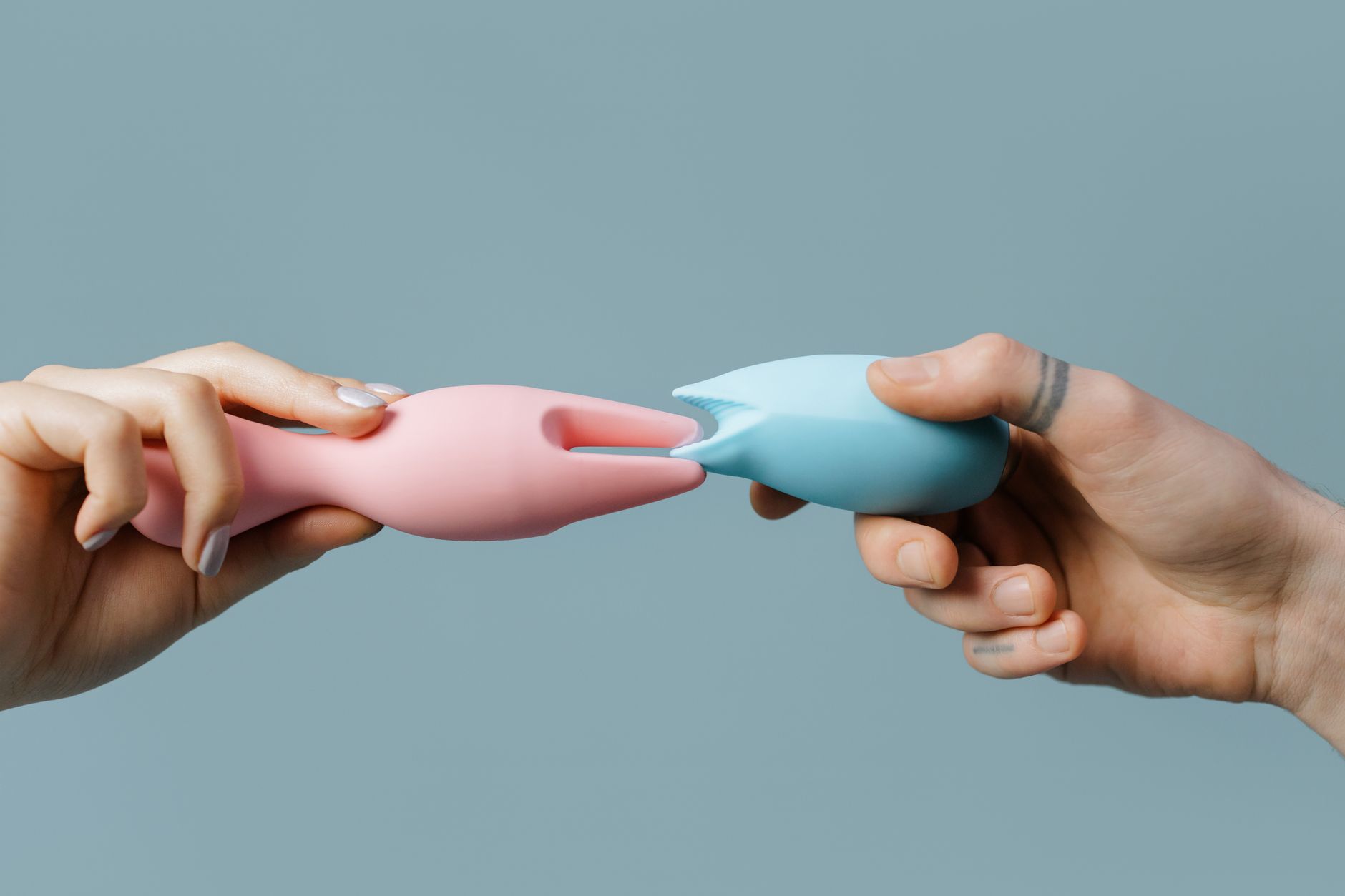
Photo by cottonbro studio on Pexels
The goal is not to feel like you did before medication. The goal is to find what feels good in your body right now. That might be stronger, more direct sensation than you expected. That might mean longer warm-up time and a different rhythm. That might mean discovering orgasm actually feels better now, slower and more rooted, because your mind is finally quiet enough to stay present.
If sensitivity has tanked and traditional approaches aren't working, a lemon clitoral vibrator is specifically designed for this challenge. You deserve pleasure on your own terms, medication side effects and all.
FAQ: Medication, sensation, and getting back to pleasure
How long does it take for sensitivity to return if I switch medications?
It varies wildly. Some people see improvement within two to four weeks. Others take three to six months. Some people's baseline never fully returns to pre-medication, and that's okay. The body adapts. What matters is finding tools and techniques that work with your current baseline, not chasing a ghost version of your old response. If you're patient and experiment with different intensity patterns and timing, most people find workable pleasure within a month of switching.
Can I use a lemon vibrator if I'm on blood pressure medication?
Absolutely. In fact, people on blood pressure meds often benefit most from direct, intense clitoral stimulation because reduced blood flow means your clitoris isn't engorging as readily. The suction mechanism in a lemon vibrator actually helps pull blood into the tissue, partially compensating for the vascular dampening the medication creates. Start low, use lube, and give your body time to respond.
Will my SSRI sexual side effects get better over time without switching meds?
Sometimes. About 30 percent of people experience spontaneous improvement in sexual function within 3 to 6 months of starting an SSRI, as their body adjusts. Another 30 percent see minimal improvement no matter how long they wait. The rest are somewhere in between. If you're not seeing improvement after 6 months and sexual function matters to you, it's worth asking your doctor about dose adjustments or adding a sexual side effect medication like bupropion. Don't white-knuckle it forever.
Is it normal that my clitoris feels numb on birth control?
Completely normal. Hormonal birth control reduces clitoral blood flow and tissue sensitivity in a significant minority of users. Some adapt quickly. Others find the change permanent for as long as they're on that method. If numbness is severe, switching to a non-hormonal option (IUD, condoms, etc.) sometimes helps. If you want to stay on hormonal birth control, a lemon clitoral vibrator with adjustable suction intensity often creates sensation that cuts through the numbness better than traditional vibrators do.
What if I still can't orgasm even with a lemon vibrator and extra time?
First, check the basics: are you giving yourself at least 20 to 30 minutes with minimal pressure? Are you using lube? Are you on a pattern that feels good rather than just cranking intensity? Sometimes the answer is a different pattern or intensity combination. Sometimes it's that your nervous system needs even longer warm-up time now. Sometimes you're trying too hard, and backing off the goal-orientation actually unlocks things. If you've genuinely tried everything and your medication is genuinely killing pleasure, loop your doctor in. There are options.
Can I use a lemon vibrator with a partner if medications make arousal slower?
Yes, and this can actually improve things. A partner who understands the medication timeline can help you stay present and patient. If you're navigating different arousal speeds with a partner, this guide might help. Communication is everything. Tell your partner that you need X minutes to warm up. Show them what sensation actually works for you now. Make it a team project instead of a failure on your part. Pleasure is collaborative when it's honest.
You're not alone in this shift
Millions of people take SSRIs. Tens of millions use hormonal birth control. Hundreds of millions manage blood pressure with medication. A huge portion of them are dealing with reduced arousal, flattened sensation, and the cognitive weight of sex feeling like work instead of pleasure.
Your medication is not the enemy. Your body is not broken. But you deserve to understand what changed and what actually helps. A lemon vibrator, designed for direct clitoral stimulation and varied intensity, often unlocks sensation even when chemistry is working against you.
Start slow. Use lube. Give your body time. And remember: this version of pleasure is not worse than before. It's just different. Different can be better.