Here's the thing about disconnection
Your partner leans in. You feel your body tense. Not because you don't love them. Not because the attraction is gone. But because somewhere between the morning coffee and right now, you left the room. You're stuck in the mental replay of an argument, or the weight of everything you haven't said, or just the sheer exhaustion of keeping it all together.
And now there's this moment where they're present and you're not. That gap gets uncomfortable fast.
The disconnection paradox
Here's the thing I see in my practice constantly: people assume that feeling disconnected during sex means they should avoid it. Instead, they go rigid or acquiesce silently, which signals rejection. Their partner feels it. The whole interaction becomes tense. The disconnection actually deepens.
But disconnection during intimacy isn't a sign to shut down. It's a signal that you need a different kind of entry point. Your mind is elsewhere, so a tool that works with your body directly instead of through the narrative in your head can actually bridge you back to presence.
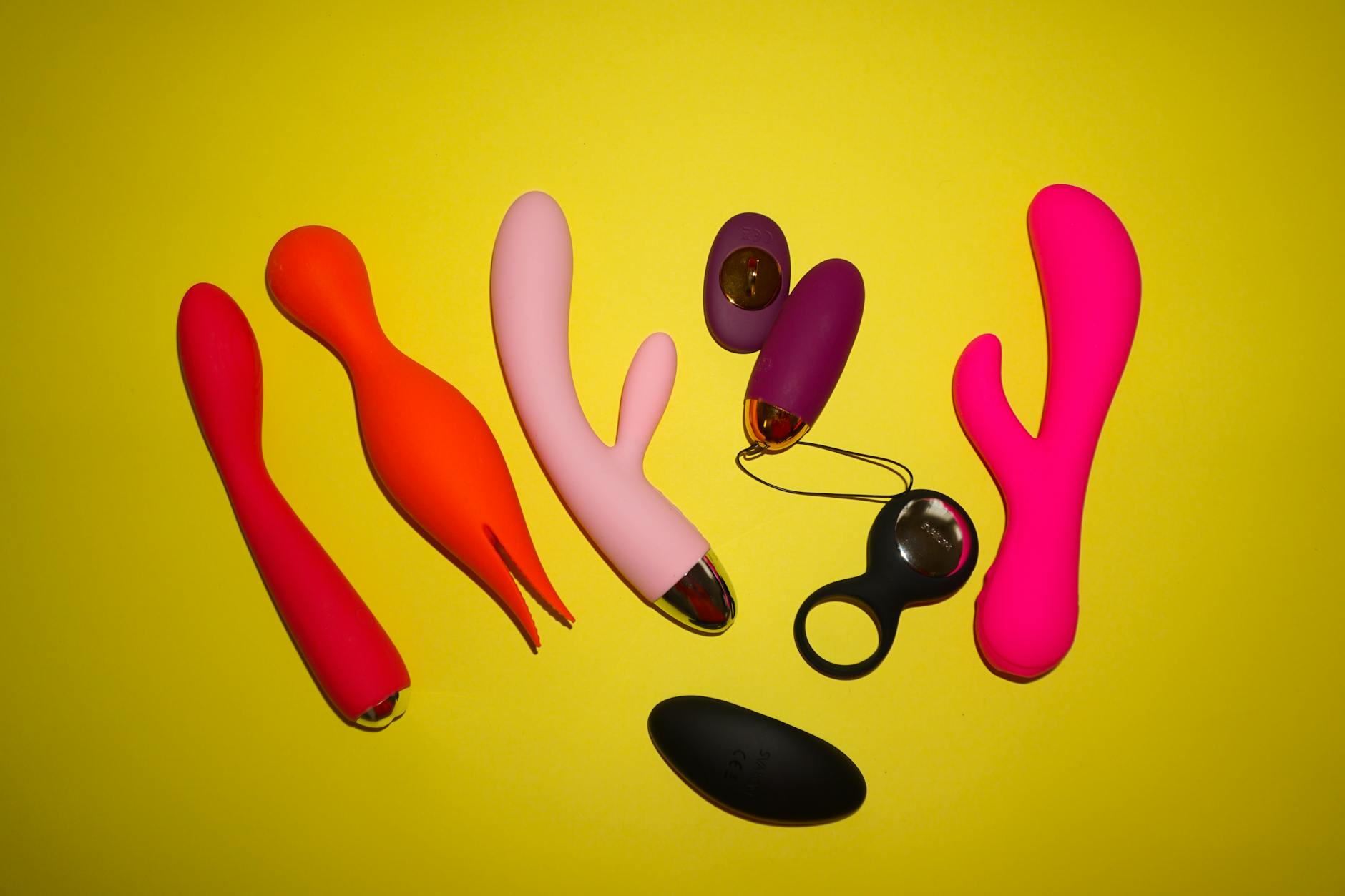
That's where a lemon clitoral vibrator comes in. And I know that sounds counterintuitive. But stay with me.
Why this moment needs a different approach
When you're mentally checked out, traditional foreplay often makes it worse. You're hyper-aware that you're "supposed" to be aroused. You try to perform that arousal. Your partner senses the effort. It becomes work for both of you. A lemon clitoral vibrator short-circuits that performance anxiety because it gives you something concrete to focus on that isn't about looking good or being a certain way.
The suction-based stimulation works directly with your nervous system instead of against it. Your brain doesn't have to do the heavy lifting of generating desire. Your body gets a clear signal: this is happening now. Your mind follows.
In my experience, people who feel disconnected actually reconnect faster when they have permission to prioritize their own physical response first. It's not selfish. It's the fastest way back to genuine presence.
Three ways to use a lemon vibrator when you're starting from disconnection
Start solo, even in the room together. Tell your partner you need five minutes alone with your lemon clitoral vibrator while they're in the same space but not watching. This isn't rejection. This is you giving yourself permission to shift out of your head without the pressure of their attention. You get to your body first. You build your own arousal. Then connection happens from a place of actual desire instead of obligation.
Use it as a bridge, not a replacement. Some people worry that bringing a vibrator into partnered intimacy means their partner feels replaced. Not how this works. Your partner can hold you, kiss you, touch other parts of your body while you use your lemon vibrator. You're still together. You're just giving yourself the neurological support you need to actually be present with them. Many couples find this is the moment when sex actually feels connected instead of like a performance.
Let it interrupt the pattern. If you're someone who typically goes silent when you feel disconnected, using a vibrator is a communication act. It says to your partner: I want to reconnect, but I need to do it on my terms, starting with my body. Most partners find this way less threatening than lying there resenting them.
The conversation that needs to happen first
Don't spring the lemon vibrator on your partner mid-intimacy unless you've talked about it. Not because they'll reject it. Because this moment you're describing is already fragile. A conversation beforehand matters.
Honestly though, the conversation doesn't have to be long. Something like: "When I feel disconnected, I shut down. I want to try something different. I want to use a vibrator to help me get back into my body so I can actually be present with you instead of just going through it."
That framing changes everything. You're not saying the vibrator is more satisfying. You're saying it's the tool that lets you show up for intimacy in a real way. Most partners get that immediately.
What makes the lemon vibrator the right tool for this specific problem
A lemon clitoral vibrator works here because it's fast and intense without requiring technique. You don't have to think about positioning or speed or what your face is doing. The vibration does the work. Your mind can settle. Your nervous system gets the input it needs to shift out of the anxious, disconnected state and into something that resembles actual arousal.
The suction action is gentler than direct vibration on the clitoris, which matters when you're already tense. Your body isn't bracing against sensation. It's opening to it. That's the difference between forcing yourself present and actually arriving there.
The physical setup that actually works
When you're disconnected, comfort is non-negotiable. Use plenty of water-based lubricant. Start on the lowest intensity setting. You're not trying to orgasm quickly. You're trying to transition from stuck to present. That takes time.
If your partner is there, have them touch you somewhere else while you use the vibrator. Your arm, your face, your chest. Keep some connection happening while you're doing the nervous system work of reconnecting. It grounds you to them while giving you space to build your own arousal.
If you need to start solo, that's fine too. Build your arousal first. Then invite your partner to join when you feel the shift. There's no timeline. Rushing this defeats the point.
When disconnection is a symptom of something bigger
Here's what I need to say: if you consistently feel disconnected during intimacy with your partner, a vibrator helps in the moment. But it's also worth asking yourself why the disconnection happens. Are you angry about something unspoken? Are you resentful about how responsibilities are divided? Are you grieving something in the relationship? Is there a pattern where you disappear when your partner gets close?
Those are conversations for a therapist, ideally a couples therapist. A lemon vibrator is a tool for the present moment. It's not a substitute for addressing the actual disconnection in the relationship.
But in this specific situation, when your partner initiates and you feel checked out, it bridges you back to yourself. And that matters.
The unexpected benefit
Many people find that reclaiming their physical pleasure in the presence of their partner actually rebuilds emotional intimacy. You're not performing. You're not hiding. You're saying, "Here's what my body needs, and I'm letting you be part of that." That vulnerability often creates more connection than a "perfect" encounter where everyone was performing their way through it.
Try it once when you're genuinely disconnected. Notice what shifts. Usually it's not just physical. It's the whole tenor of the interaction. You become more present. Your partner feels that. The disconnection closes.
People also ask
Can using a vibrator during partnered sex actually improve emotional intimacy?
Yes, frequently. The thing is, emotional intimacy can't exist during sex when someone is faking their way through it. Using a vibrator to help you actually arrive at your body physically means you're no longer performing. You're present. That presence is what your partner feels, and it deepens connection. The vibrator isn't what creates the intimacy. Your actual presence does.
What if my partner feels threatened by me using a lemon vibrator during sex?
That's worth talking about, but the way you frame it matters enormously. If you say, "I want to use this instead of you," that's threatening. If you say, "I need this to actually show up for you because I get stuck in my head," most partners recognize that as honesty. If your partner still resists after an honest conversation, that might point to a different dynamic that deserves attention beyond just the vibrator question.
How long should I use the lemon vibrator before involving my partner?
There's no set timeline. Some people need fifteen minutes of solo use to shift out of disconnection. Others need five. Pay attention to your own body. When you start to feel aroused or present, that's when you can invite your partner in. Think of it as you arriving at yourself first, then extending an invitation.
Does using a vibrator when you're disconnected defeat the point of partnered intimacy?
Actually, the opposite. If you're disconnected and not using a tool, you're just lying there resenting it. That's not intimate either. Using the vibrator is you actively choosing to show up. It's you saying: I want to be here with you, and here's what my body needs to make that possible. That's real partnership.
What if the vibrator feels like too much stimulation when I'm already tense?
Start on the lowest setting. Use plenty of lube. Have your partner touch you in a grounding way while you use it. If even the lowest setting feels overwhelming, you might need to sit with the disconnection for a minute first. Breathe. Get your nervous system a little calmer before you introduce the vibration. Sometimes disconnection needs a beat of acknowledgment before a tool helps.
Can this approach work if we usually have responsive desire?
It works especially well for responsive desire. Your brain isn't generating the desire signal automatically, so something external that works with your body helps flip the switch. Once your body's engaged, your mind often follows. The vibrator gives your body permission to respond without your mind having to do all the work first.